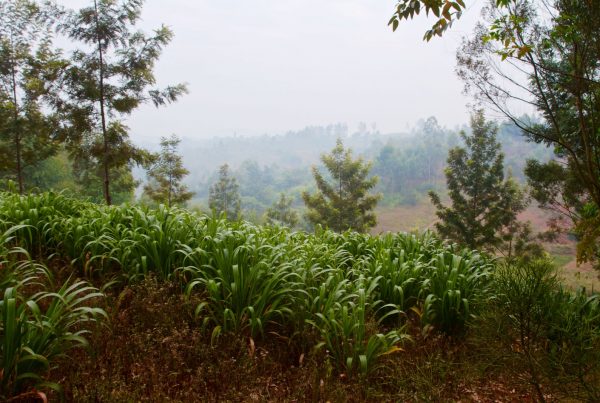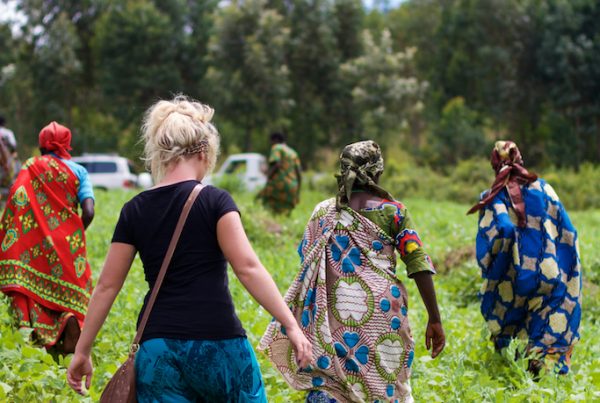


As I have travelled around Burundi, and visited various regions and agricultural projects I have met with many people who have significant food security and malnutrition needs. There is no doubt that there are a great many people in need here, but I think none more so than the Batwa people. The Batwa are a pygmy people, indigenous to Burundi, constituting about one percent of the country’s population, yet they are institutionally and socially marginalised.
Having once enjoyed a symbiotic relationship with the rainforest environment, the loss of the rainforest and the population explosion in Burundi means that most Batwa today have been squeezed out of their hunter-gatherer existence and work as casual labourers on other people’s land. Some are engaged in menial domestic labour, for which they are paid in food, never wages. They are powerless and poor, and discriminated against because they are an ethnic minority. To further compound their difficulties the births of Batwa are unrecorded and so with no legal status they have no rights to own land or access to public amenities such as health services.
Visiting one potential project site, I spoke with this Batwa woman (pictured) – she told me that she had given birth to 8 children, but none of them had survived past infancy. (malnutrition and no access to healthcare results in a desperately high infant mortality rate amongst the Batwa ). In another community, I was told by the project manager, Evariste Ndayirukiye, of the difficulty in helping the Batwa people there, he said “ I can give them jobs, so that at least they can feed their families, but that isn’t a long term solution – what happens when their children grow up – they will find themselves in exactly the same position as their parents”.

Batwa lady who lives in Muyinga province
This is the challenge – to find a long term viable solution that will help the Batwa break the cycle of poverty. Many people see land as the key. In Burundi land ownership is seen as a status symbol – so having land would reduce the social inequality of the Batwa people. But more than that – managed well it can enable a family to become food secure and economically productive, and potentially can break that poverty cycle enabling the children to grow into a better future than their parents.
Seems simple right…just buy land for them? It would be simple if Burundi wasn’t one of the most heavily populated countries in Africa. Land available for purchase is rare and therefore demands a high premium.
Our Redeeming the Land project faces many challenges, and logic would almost say that to try to engage with the additional issues of the Batwa people is a step too far, a challenge too great. But yet as Jesus calls us to feed the hungry, heal the sick and set the captives free, he didn’t discriminate between people groups, and he didn’t shy away from difficult challenges, so neither should we.